
Fatima Winniclare Jayme, LPT, MBA, EdD
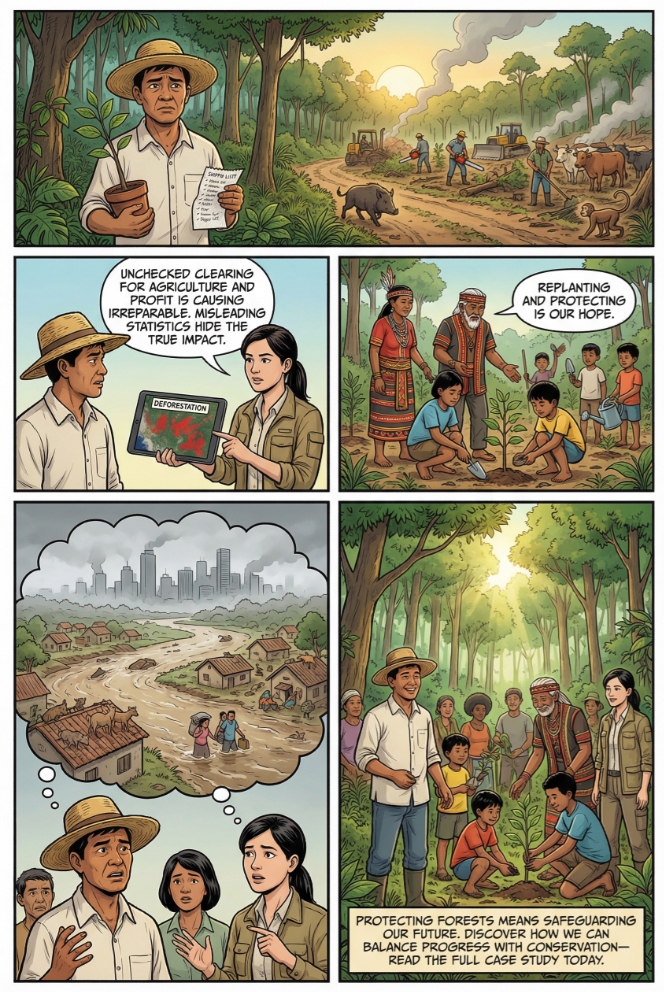
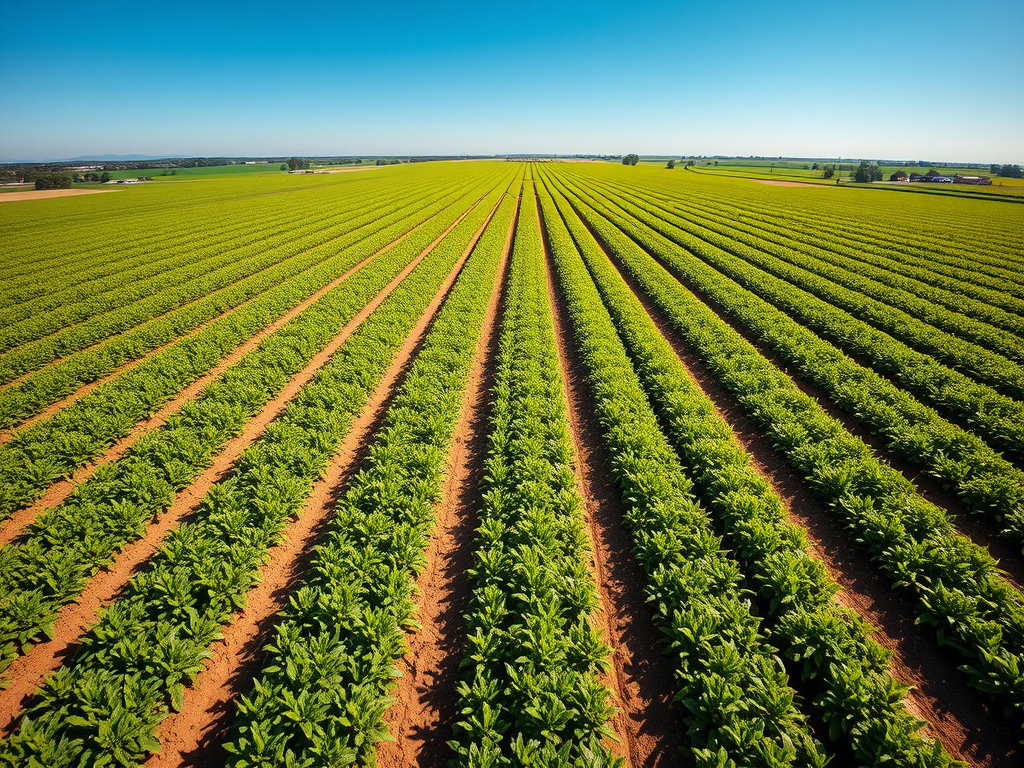
Landsat and MODIS satellites, as well as peer-reviewed research, show that the current deforestation rate is unsustainable. Cattle ranching, palm oil plantations, and soy farming are the primary factors contributing to these rates. People’s wants and needs often drive these efforts. Changes in land use and deforestation are both critical. Recognizing the importance of indigenous land rights, effective solutions must emphasize transparency to combat deceptive claims, such as the underreporting of deforestation rates and unfounded assertions of sustainable logging, especially from sectors profiting from illegal logging. Tropical hardwoods like mahogany are needed for certain uses, like making high-end musical instruments and restoring historical buildings. Using responsibly sourced softwoods from forests certified by the Forest Stewardship Council (FSC) or the Programme for the Endorsement of Forest Certification (PEFC), along with bamboo, can help protect pristine forest ecosystems.
It is concerning that society prioritizes short-term goals, such as unchecked economic growth, partisan political interests, and excessive consumerism, over protecting the Earth’s delicate biosphere. Human connections thrive in their diversity; however, the planetary systems that sustain us are essential and currently under duress due to exploitative practices. The idea of constant growth and the fact that ecosystems can’t handle it have led to problems like climate change, mass extinction, and the collapse of the oceans. To correct this imbalance, significant changes to the system need to happen right away. These changes should include laws that stop air pollution, economies that use resources in a way that doesn’t harm the environment, and schools that teach kids how important non-human beings are to the planet. To ensure that future generations can live, we need to see Earth as a shared life-support system and not just a resource. This means supporting frameworks like the UN’s Sustainable Development Goals (SDGs) and making businesses responsible for their actions through things like carbon taxes and making the supply chain more open. We must work diligently to rid ourselves of unfair norms. Working together is necessary to make changes on both a personal and a system-wide level. This action includes cutting down on trash and backing politicians who care about the environment. This change is similar to how indigenous cosmologies see people as threads in the web of life on Earth, not as rulers of the planet.
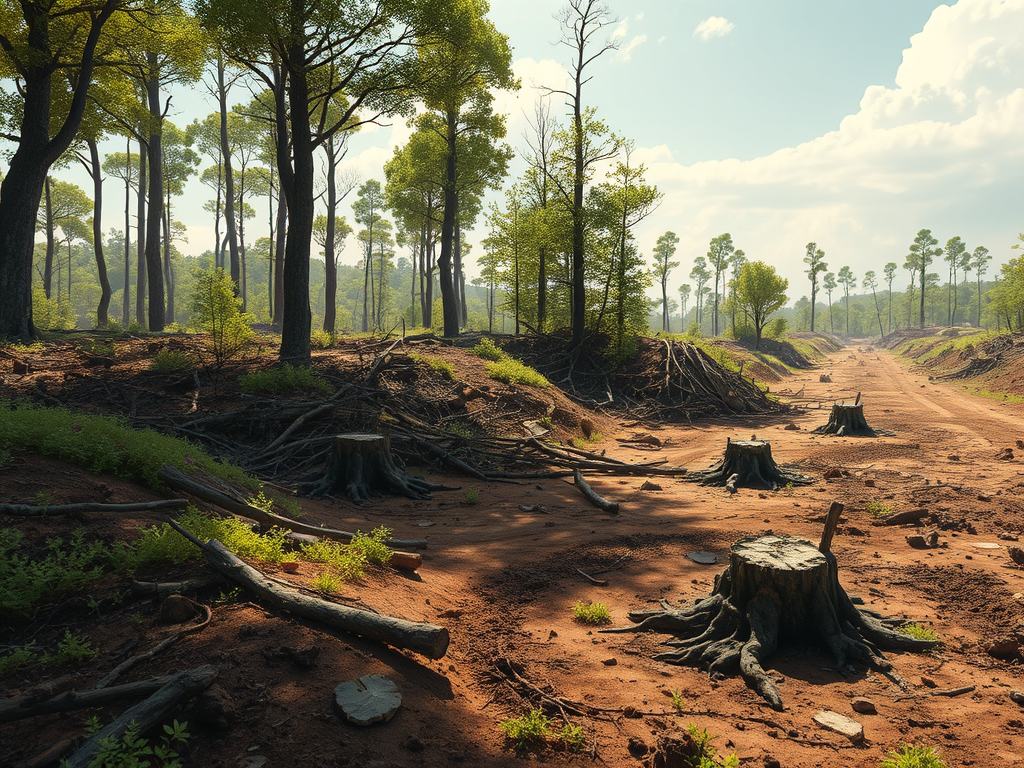
Deforestation and degradation pose serious challenges to Philippine forests, which are vital for carbon dioxide absorption. Forest cover has decreased from 27 million hectares in the 1500s to approximately seven million hectares today as a result of inconsistent policies, land ownership concerns, insufficient enforcement, and socioeconomic pressures. Despite being classified as a ‘net sink’ that absorbs more CO₂ than it produces, these forests are not part of the country’s emissions reduction strategy. Programs like Reducing Emissions from Deforestation and Forest Degradation (REDD) aim to prevent emissions from forest loss, and the forestry sector has the potential to reduce 113.6 metric tons of CO₂ emissions with improved management, such as the National Greening Program, which has reforested 2.02 million hectares, absorbing 10.1 tons of CO₂ per year. Indigenous groups and successful local initiatives play an important role in forest conservation, pushing for traditional and sustainable ways to help preserve forests.
Between 2001 and 2022, the Philippines lost nearly 1.42 million hectares of tree cover, a 7.6% decline. Between 2010 and 2020, forest cover increased by 5%, from 6.8 million to 7.2 million hectares. Deforestation caused 848 metric tons of CO₂ emissions between 2001 and 2022. The Palawan region experienced the most loss, with 219 thousand hectares lost between 2001 and 2024. The annual loss of rainforest stands at approximately 47,000 hectares. The primary causes of Philippine deforestation include urbanization, illegal logging, agricultural conversion, infrastructure development, and community movement. In 2024, the Philippines lost 44 thousand hectares of natural forest.
As of 2020, the country had 13 million hectares of natural forest, accounting for almost 45% of its land area. Despite modest advances, tree cover decreased by 300,000 hectares between 2000 and 2020. Palawan, Agusan del Sur, and Zamboanga del Norte are among the regions experiencing significant tree cover loss. Government measures, such as the National Greening Program, seek to counteract deforestation and support recovery by planting an estimated 1.83 billion seedlings by 2022. There are ongoing concerns about the use of foreign tree species in reforestation projects, which may have an impact on native biodiversity.
Climate Change Displacement in the Philippines
Between 2020 and 2022, climate-related events such as typhoons, flooding, and rising sea levels displaced nearly 15 million Filipinos (or around 13% of the population). Coastal and low-lying residents are more vulnerable to temporary or permanent evacuation, particularly Indigenous communities in remote, ecologically sensitive places. According to projections, by 2030, over 150,000 Filipinos may experience permanent displacement as a result of increasing sea levels, with economic losses estimated at P18 billion, and the displaced population might reach 425,000 in 2050. Displaced people frequently migrate to overcrowded metropolitan areas or informal settlements, where they face difficulties in obtaining appropriate housing, jobs, and basic necessities. Climate-related relocation has a negative influence on traditional knowledge, languages, and cultural practices, while damage to heritage sites endangers tourism and the local economy. The National Adaptation Plan recommends providing basic social services, establishing job opportunities, giving emotional support, and employing sustainable materials for houses in resettlement zones. Additional methods include post-disaster recovery plans that emphasize vulnerable groups, a national framework for climate migrants, and climate risk education in communities. To conserve cultural heritage, the strategy recommends identifying endangered places and incorporating traditional ecological knowledge into climate risk assessments and planning.
2024 Deforestation Trends and Impacts
In 2024, the Philippines lost 44,000 hectares of natural forest, resulting in 24 million tonnes of CO₂ emissions. Agricultural expansion and land use changes are key drivers of deforestation. Every year, about 10 million hectares of forest are lost around the world. This is responsible for almost 15% of all greenhouse gas emissions. In 2024, the tropics experienced record deforestation, with 6.7 million hectares lost, mostly as a result of human activities like agricultural land clearing and uncontrolled fires. These trends demonstrate the urgent need for comprehensive conservation and policy initiatives to combat deforestation and its environmental consequences.
Until next time.
Just me and simply me,
Fatima Winnilclare Jayme
References
Anhar, A., et al. (2024) Changes in land use and land cover in forest areas.
Furumo, P. R., & Aide, T. M. (2017). Characterizing commercial oil palm expansion in Latin America.
Ritchie, H. (2021) Drivers of Deforestation.
Climate Tracker Asia Team (2025). How Philippine forests are fighting climate change.
Vizzuality (n.d.) Philippines’ deforestation Rates & Statistics




 Cleverpens
Leave a comment