
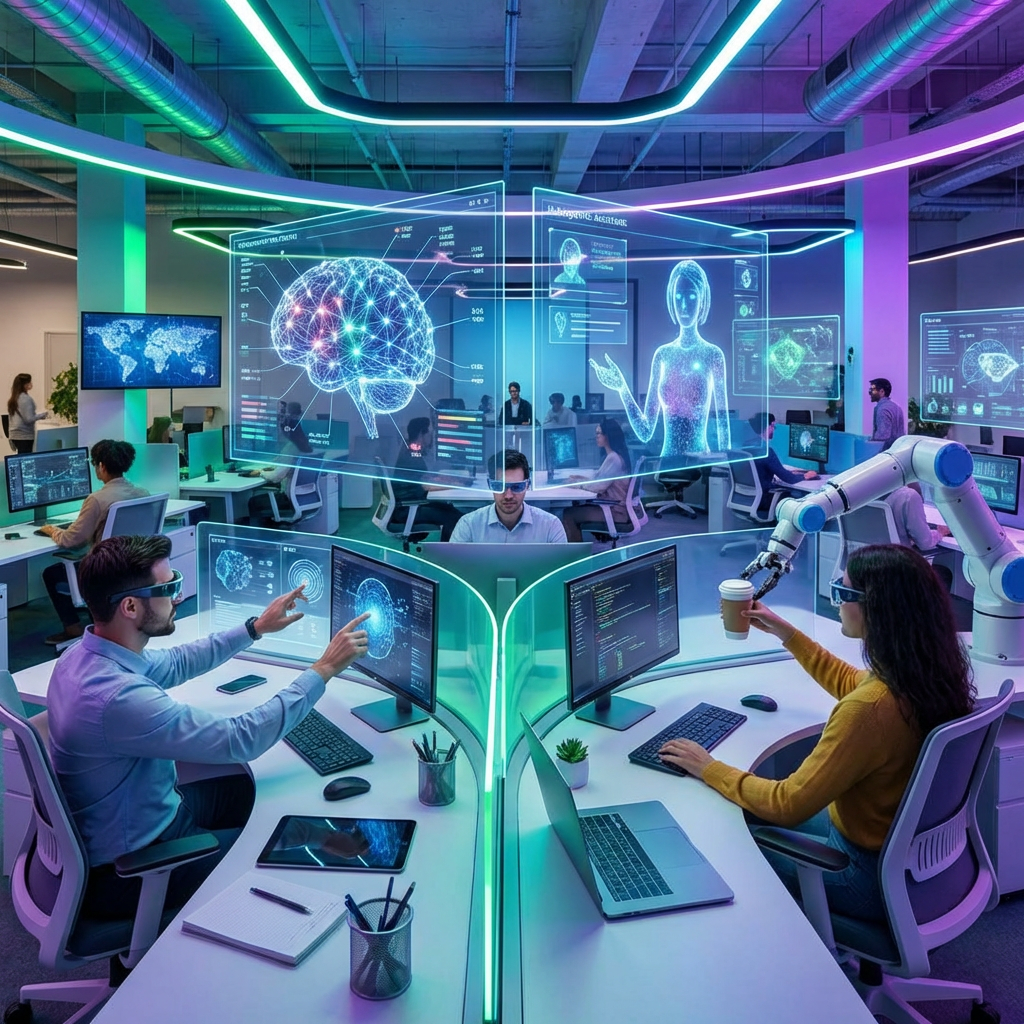
By: Fatima Winniclare Jayme
The term “Ecosystem Frontier” refers to cutting-edge research and real-world applications focused on understanding and managing complex environmental systems and their effects on people. New academic fields are emerging to explore various ecosystems and urban environments. Bringing human perspectives into ecological approaches highlights this goal, focusing on tackling global issues like climate change and the decline of biodiversity. Artificial intelligence (AI) plays a significant role in promoting sustainable growth by enhancing agricultural productivity, providing renewable energy solutions, and enabling effective environmental monitoring. However, the growth of AI infrastructure brings along some challenges like electronic waste and resource extraction, as well as environmental concerns, including higher water usage and carbon emissions. The rise of “Naturetech,” which uses AI to help protect biodiversity, shows exciting progress in the field! However, it does encounter some challenges, such as biased data and unequal access, especially in the Global South. Current governance initiatives are focusing on sustainable AI practices, highlighting regional models and regulatory frameworks. The goal is to reduce environmental impact while promoting the thoughtful use of technology. It’s vital to use AI responsibly to help protect our ecosystems and avoid making current environmental problems worse.
The notion of technology as an extension of human capabilities includes historical and philosophical viewpoints, especially as articulated by Ernst Kapp, Marshall McLuhan, and David Rothenberg, with additional elaboration by Philip Brey. Kapp posited that technology serves as a reflection of human organs, illustrating how artifacts emulate bodily structures and enhance physical capabilities. McLuhan examined media as extensions of the human body and nervous system, highlighting their role in functional amplification. Rothenberg made a clear distinction between extensions of action, such as tools and machines, and extensions of thought, like computers, emphasizing how technology reflects human intention. Brey consolidated these concepts, classifying extensions into physical, cognitive, and intentional dimensions, while phenomenological methods demonstrate the integration of technology within human experience. These theories illustrate how technology amplifies human abilities and influences social frameworks, offering a deeper understanding of the ethical and societal consequences of mediated human faculties.
AI Uncertainty and Workplace Impact
Why can uncertainty about the unknown instill terror despite awareness? In the realm of machine learning, most people were brief on the function of artificial intelligence: assistant, aid, and companion, to name a few. Little to no knowledge indicates a lack of control, leaving most, if not all, exposed. In the workplace, artificial intelligence improves human cognition, affection, and psychomotor skills. However, the same technology can isolate those who are unable to adapt.
Bias in AI occurs when machines learn and replicate human discrimination. AI bias refers to errors in automated decisions caused by skewed data or assumptions. AI is like a mirror—but what if it reflects prejudice? A metaphor coined by AI pioneer Norbert Wiener, who actually warned us decades ago. But mirror images can be distorted—and so is the AI view.
AI biases refer to unfair algorithmic decisions based on prejudice. Bias in AI occurs when machines learn and replicate human discrimination. AI bias refers to errors in automated decisions caused by skewed data or assumptions. AI bias threatens equality and justice worldwide through this distortion, leading to discriminatory AI decisions daily—we must address it before it’s too late. AI learns from us—but what if our teachings are flawed?
AI’s Impact on Humans in the Post-Pandemic Workplace
The interaction between humans and technology in the aftermath of the COVID-19 pandemic goes beyond access and safety. The intricacies of the “convenience” challenge humans’ ability to engage fairly. Thus, vulnerabilities infiltrate and test the breadth of human cognition. The complexities resulting from AI encounters led to learning schema and paradoxes that can’t be overlooked.
The next is a meta-analysis of human biases and their manifestations in AI, among other topics:
- Human prejudice includes developer biases in programming. Samples are from data about racial bias in police documentation. Gender-based prejudices are on job postings as well.
- Imbalanced data denotes skewed or restricted training datasets. Photographic databases predominantly feature Caucasian faces. The audio samples primarily feature male voices.
- Historical Stereotypes: Algorithms that derive insights from biased datasets. Historical literature often includes racial slurs. Classic cinema often employs language that is gender-biased.
AI bias results in racial profiling, gender discrimination, and erroneous arrests. Examples from the real world include Amazon’s prejudiced recruitment tool, among others. Examples from the real world included Google’s racially biased image search and Facebook’s discriminatory marketing practices.
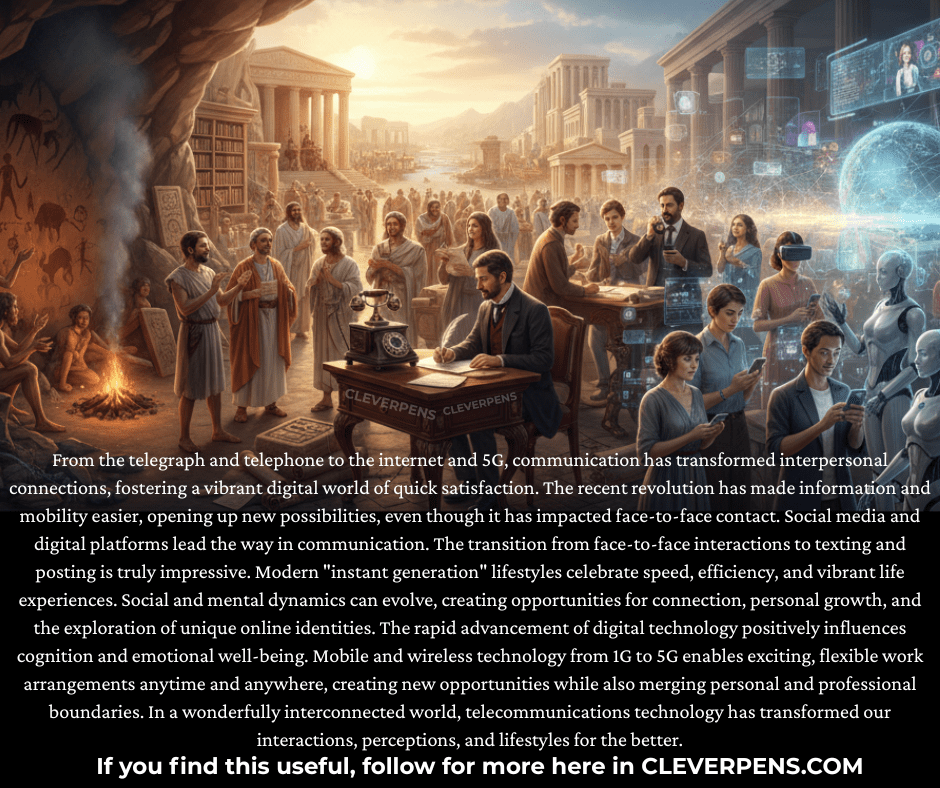
Human Meta-Cognition and Cognitive Biases
Cognitive processes activate memory, emotion, language, logic, perception, and attention. To have a solid attitude involves both conscious and subconscious mechanisms. Similarly, the application of logic is essential, as it provides norms and principles for sound reasoning. Concepts, theories, and practices are deduced as plausible, but they do not ensure absolute correctness. Faced with a new emergent norm, human rationality behaves similarly to rational truths.
Recent studies from 2022 to 2025 have shown that critical thinking and meta-cognition are complex, interdependent, and positively related. An improved critical stance nurtures meta-cognition, and vice versa, promoting better self-awareness, regulation, and problem-solving. However, mental health is something that cannot be undermined, because it impacts the “ecosystem” of think-act phenomena. How we think, feel, and act influences our well-being. Human cognition is the foundation; logic is a tool for rationality. Humans have cognitive biases, and so does AI. Bottom line, AI could not exceed human intelligence. AI’s inability to exceed human intelligence is partly due to its training on biased data created by its human developers.
Acknowledging mental health as the cornerstone of the “think-act” framework emphasizes the importance of proactively attending to one’s psychological well-being. Prioritizing mental health enhances daily functioning, bolsters resilience, fortifies relationships, and augments the capacity to confront life’s challenges.
True confidence empowers others. True confidence has a robust self-worth. True confidence is characterized by listening. True confidence honors individuality. True confidence does not bring its past into interactions to receive affirmation or shame others. True confidence is about progressing rather than staying the same. True confidence requires understanding what needs to be unlearned. Genuine confidence requires accepting that knowing nothing is everything.
Humanity has the capabilities and capacities to think critically and creatively. Artificial intelligence is challenging people to learn how to think better than before. It challenges the essence of humanhood rather than simply being human. A creative and critical stance is challenging, but it’s worth it.
Cultural Perspectives on CHANGE
Cebuano: “Ang pagbag-o mao ra ang kanunay” (change alone is constant). In Sanskrit: “Anityaṃ sarvaṃ” (All is impermanent). Among the Kalinga people of the Cordilleras, change is considered part of the eternal dance between “lugud” (love/connection) and “lakay” (ancestral wisdom), moving in cycles of seasons and generations. We encounter this truth in our daily lives and across every field of study—from classical physics to process philosophy, from the cyclical worldviews of many Indigenous communities to the evolutionary principles of biology, from the dynamic systems theory used in social work to the flux of markets in economics. In most frameworks, change is inherently tied to time.
The idea of change, as we typically understand it, simply can’t exist without a temporal dimension to facilitate sequence, difference, or transformation between states. That being said, some viewpoints add depth to this connection: specific takes on quantum mechanics suggest changes that seem to transcend linear time; eternalist theories frame it as a feature of how we perceive a vast, static spacetime; and in some Buddhist traditions, “anicca” (impermanence) is understood as a fundamental nature of existence that shapes both our inner and outer worlds—not just a personal experience, but a universal truth we learn to navigate. Are we truly dedicated to change if we focus on others’ faults rather than reflecting on ourselves? As Filipino proverbs remind us: “A flower cannot be pulled toward the river unless it first grows strong on its branch” (Hindi mahihila ang bulaklak patungo sa ilog kung hindi muna ito uunlad sa sarili niyang sanga). We can’t tend to another’s “lampin” (diaper) if we can’t first adjust our own. “Oras ay ginto” (time is gold) carries different weight for farmers, students, caregivers, and entrepreneurs alike—this concept extends beyond just caregiving.
Think of it as tending to our habits, biases, or perspectives first, whether that means unlearning harmful norms, adapting our communication style, or simply being more mindful of how our actions ripple outward.
Ignorance is characterized by a deficiency in awareness, education, or information. The classification includes four different types: Socratic, which means recognizing your own lack of knowledge; agnotology, which is about choosing to ignore information; vincible, which can be overcome with effort; and invincible, which cannot be overcome. From a legal perspective, a lack of knowledge regarding the law generally does not excuse one’s actions; however, there are instances where a lack of awareness about the facts can serve as a valid defense. People often view insufficient knowledge as a temporary and pervasive issue that education and inspiration can enhance. On the other hand, a lack of intelligence, often marked by closed-mindedness and stubbornness, reflects an absence of willingness or ability to acquire knowledge. Through the encouragement of inquiry and individual growth, curiosity sets itself apart from ignorance and foolishness, playing a vital role in the conversion of ignorance into knowledge. Ultimately, curiosity can significantly enhance our journey toward understanding, while making unwise choices may impede our progress, and a lack of knowledge can serve as a catalyst for development.
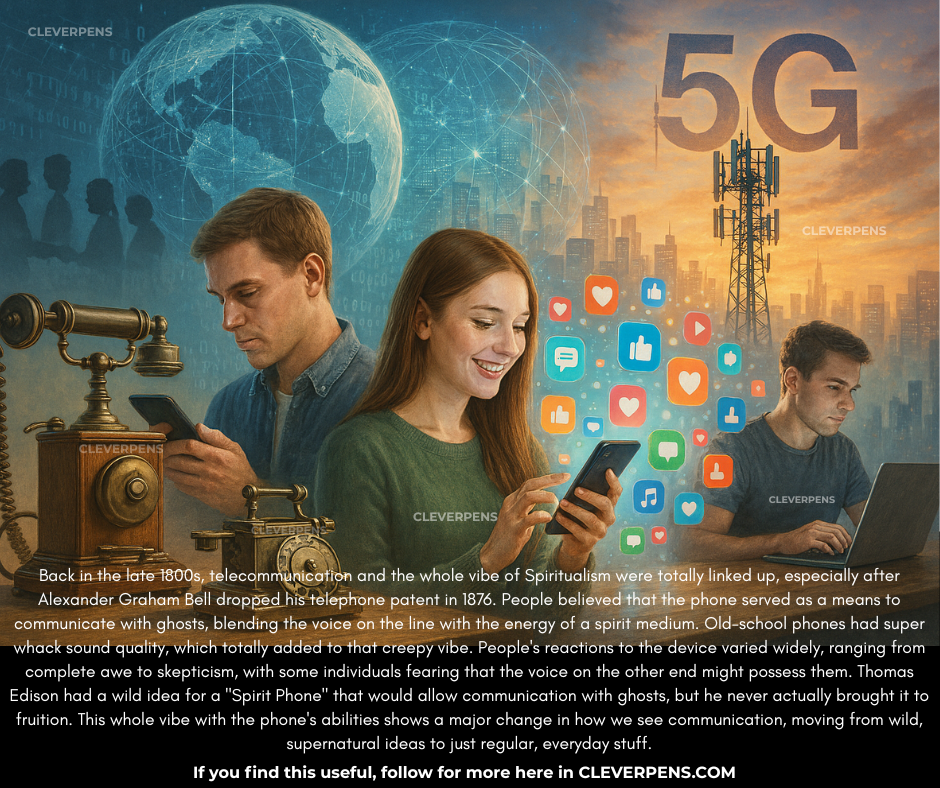
Human Bias in Learning and Information
The assertion that “learning isn’t biased.” “Only people” underscores a prevalent perspective in psychology and education. It highlights the notion that, while information may remain neutral, the methods through which we choose, interpret, and impart it are inevitably shaped by human biases. This concept can be analyzed as follows:
Bias exists universally among humans; every individual harbors biases that frequently operate unconsciously. These biases arise from personal experiences, cultural contexts, societal stereotypes, and the brain’s inherent tendency to make rapid judgments for self-protection. This bias is a developed cognitive pattern rather than an innate characteristic present from birth.
Perception is inherently subjective. Our understanding of the world is filtered through our individual senses and established frameworks of knowledge, leading to the conclusion that what we consider “truth” or “facts” is ultimately an interpretation rather than a direct, objective reception of data.
The role of the human element in education and information transfer is consistently significant.
Curriculum Choices:
The values and biases of people or groups affect the choice of books, the choice of perspectives to emphasize, and the way information is presented.
Teaching Methods: A teacher’s unconscious biases may influence their interactions with students, leading to expectations of particular behaviors from certain groups or grading practices that prioritize outcomes over the learning process.
In the realm of research and science, the process of peer review serves as a mechanism to mitigate, though not eradicate, human bias in both the conduct of research and the interpretation of its findings.
The objective is to achieve awareness: acknowledging that bias is inherent and inescapable represents the initial step in addressing its detrimental impacts. Creating awareness and implementing systems to minimize biased decision-making can lead to a more equitable environment for learning and interaction.
In conclusion, while the raw data or learning opportunity may appear neutral, the process it undergoes through human perception and communication renders it vulnerable to bias at each stage.
At first glance, the process of absorbing information may seem neutral; however, bias fundamentally intertwines with human cognition. Bias often manifests as a conditioned cognitive pattern rather than an intrinsic trait; nonetheless, it constitutes a prevalent element of the human experience that shapes our perception and interpretation of new information. The connection between bias and learning can be analyzed through these essential aspects:
- The Human “Facilitator” of Learning. Learning involves a complex process that goes beyond the mere exchange of information. Human perception and prevailing worldviews fundamentally shape the phenomenon, resulting in its inherent subjectivity. Selective Perception: People often “selectively observe” information that aligns with their pre-existing beliefs. The “Sophistication Effect”: It is noteworthy that individuals with higher levels of education or knowledge may exhibit an increased susceptibility to bias. This phenomenon occurs because they possess a greater array of cognitive resources to construct arguments that defend their pre-existing beliefs, even in the face of contradictory evidence. Implicit bias refers to the unconscious associations that function prior to any conscious intent to exhibit prejudice, thereby affecting our learning processes without our awareness.
- Prejudice in the Educational Setting The frameworks through which we acquire knowledge are, in essence, the result of human decisions, embedding intrinsic biases within them. Curriculum Choices: The content delivered is frequently a reflection of truth, influenced by the experiences and perspectives of those in positions of authority. Educational systems often rely on particular cultural models, which can introduce biases that overlook multicultural perspectives. Teacher Influence: The unconscious biases of educators can significantly impact the encouragement they provide to different students and their interpretations of student behavior.
- The Concept of “Unlearning” in the Learning Process. Genuine learning frequently necessitates the challenging task of recognizing and discarding ingrained biases. Recognition: The initial phase in addressing bias involves recognizing its existence. Instruments such as the Implicit Association Test (IAT) facilitate the identification of concealed associations within individuals. Countermeasures: Organizations and schools implement structured feedback mechanisms, curate diverse book selections, and establish rule-based criteria to mitigate the influence of subjective impressions on the learning process. Are you interested in examining particular cognitive biases that frequently disrupt critical thinking, or would you prefer to focus on strategies for educators aimed at minimizing bias in the classroom?
Summary Comparison Table
| Feature | Ignorance | Stupidity | Curiosity |
| Definition | Lack of information | Refusal to use information | Desire for information |
| Nature | Natural/Initial | Chosen/Cultivated | Driven/Inquisitive |
| Remedy | Education/Experience | Difficult to reform | Self-perpetuating |
| Moral Status | Neutral/No shame | Often seen as a failing | Celebrated as a virtue |

AI Collaboration in Personal Reflection and Creative Partnership
The development of AI collaboration is transitioning from basic task performance to a more profound psychological and creative partnership. This functions as an “AI coach” for personal reflection and acts as a collaborator in creative fields. Different AI tools enhance personal reflection through the analysis of journal entries. For example, the Reflection app encourages deeper exploration with customized questions; Rosebud involves users in therapeutic journaling; Mindsera serves as a mindset coach; HyperWrite Reflection AI assists in writing reflective essays, and Sphera focuses on prompts based on emotions. In creative sectors, AI enhances human creativity, as demonstrated by artist Emily’s use of DeepDream to create engaging visual art, the band Everything’s use of AI to generate new lyrics, and Refik Anadol’s immersive interactive installations that utilize extensive image datasets. The integration of AI in developing new lyrics and Refik Anadol’s immersive interactive installations that utilize extensive image datasets is noteworthy. The band Everything uses AI to create new lyrics, and Refik Anadol produces immersive interactive installations that make use of large image datasets. Tools like DALL-E 3 and Midjourney enable rapid development of design concepts, highlighting the function of AI in the creative process.
AI Collaboration’s Impact on Human Identity and Work
AI collaboration serves as a mirror for users, emphasizing their intentions and critical thinking rather than concentrating on the capabilities of the machine. This collaboration with AI influences individuals’ thought processes and self-perception, resulting in a new identity that incorporates AI, reduced time spent online, and a sense of being overly capable for basic tasks that machines can perform. The focus of work shifts from basic information transfer to the cultivation of advanced skills, illustrating the importance of human qualities like ethical reasoning and creativity. Effective collaboration requires qualities such as openness, trust in “explainable AI,” and the maintenance of human oversight to ensure that decision-making remains with users.
AI in Global Biodiversity Conservation Initiatives
The AI Conservation Initiatives (2025–2026) highlight the benefits of AI technology in the protection of biodiversity in diverse global regions. In Southeast Asia and the Philippines, Google utilizes AI tools like DeepPolisher to improve genomic sequencing for endangered species. This facilitates climate adaptation management and mitigates inbreeding risks. The World Wildlife Fund and Kenya Wildlife Service are utilizing AI-integrated thermal cameras at Solio Game Reserve to detect poachers in real time, thereby enhancing wildlife conservation initiatives in Africa. Project Guacamaya partners with Microsoft’s AI for Good Lab to monitor and assess the varied ecosystems of the Amazon in South America. Solar-powered microphones and satellite imagery are employed to capture critical soundscapes that support conservation initiatives. International initiatives include Wildbook, which utilizes AI for monitoring animal populations; Dryad’s innovative early-stage forest fire detection through AI sensors; and Greyparrot’s automation in waste management to improve climate resilience.
The financial forecast for the AI hardware market suggests substantial growth, with projections rising from $60.6 billion in 2025 to an anticipated $231.8 billion by 2035. The AI GPU market in data centers is projected to grow significantly, increasing from $10.51 billion to $77.15 billion, which corresponds to a compound annual growth rate of around 22%. In 2023, GPUs accounted for a significant market share of 30.9%, due to their critical role in deep learning applications. Conversely, companies project substantial growth in ASICs driven by the advancement of tailored chips designed to enhance performance. Anticipated key participants in 2026 include Nvidia, which commands a significant share of the AI training market; Broadcom, which is expanding its presence with specialized AI chips; and AMD, which is advancing its Helios server racks.
AI Environmental Impact and Emissions Report
The shift to an AI-driven global ecosystem presents considerable environmental challenges, especially regarding Scope 3 emissions from hardware manufacturers, which represent more than 80% of their carbon footprint. By 2025, Nvidia’s emissions increased to 6.9 million metric tons of CO2e, whereas Intel’s emissions were stable at 25.1 million metric tons, reflecting a 70% reduction since 2006. By the end of 2025, electricity demand for AI is projected to reach 23 gigawatts, while data centers are anticipated to utilize considerable water resources. Nvidia attained 100% renewable energy for its operations in fiscal 2025, utilizing Renewable Energy Credits to achieve this goal. Intel achieved significant cost reductions via energy conservation measures.
The adoption of AI is rapidly increasing across multiple sectors, with information and communication technology (ICT) at the forefront, exhibiting a 57.3% adoption rate, succeeded by professional and scientific services and manufacturing. Significantly, 20.2% of OECD firms and 19.95% of EU enterprises have implemented AI, revealing a contrast between large (55%) and small (17%) businesses. The UAE demonstrates a leading position in global adoption rates, whereas the Global North exhibits a more rapid growth compared to the Global South, thereby intensifying the digital divide. Marketing and sales represent key applications, with customer service being the leading use case at 56% adoption among organizations.
AI’s Environmental Impact and Sustainability Role
The global ecosystem is undergoing a fascinating shift driven by artificial intelligence (AI), which serves as both a driver for sustainability and a source of environmental issues.
The essential components are:
1. Environmental and Ecological Changes: Artificial Intelligence improves biodiversity monitoring, precision agriculture, and resource management, resulting in considerable water conservation. However, it requires a significant amount of processing power, which can lead to increased electricity use and electrical waste, especially in areas with lax laws.
2. Changes in Economic and Industrial Environments. The rise of foundation models is transforming the AI environment, with an estimated economic impact of $2.6 trillion to $4.4 trillion. However, this evolution presents certain concerns, such as job displacement and increased economic disparity. The disparity in AI adoption between the Global North and South has hampered efficiency improvements and led to the emergence of “sovereign AI” projects.
3. Societal and Regulatory Changes: The rapid expansion of AI has prompted calls for formal frameworks, such as the EU AI Act, that aim to combat biases and protect data rights. There are exciting efforts underway to make AI more accessible and enhance knowledge work in various fields.
While AI is critical for supporting both digital and physical settings, the large environmental costs associated with it pose certain concerns.
AI’s Dual Impact on Global Ecosystems
The global ecosystems are experiencing a “dual-edged” transformation thanks to artificial intelligence (AI), which boosts ecological monitoring and restoration but also brings along new environmental and economic challenges. AI makes it easier to monitor and intervene in natural environments with a variety of applications: AI-powered satellite imagery and drones help with conservation by tracking deforestation and illegal logging, while machine learning supports wildlife protection by identifying animals and predicting poaching activities. Moreover, companies are using AI for automated reforestation, which significantly boosts the speed of seed planting, as well as for monitoring marine health, focusing on issues like coral bleaching and ocean plastic pollution.
However, the physical infrastructure needed for AI, mainly data centers, puts a bit of pressure on local and global resources. By 2030, we anticipate that these centers will double their energy consumption, and with AI-optimized operations, the demand could potentially quadruple! They also have an impact on water scarcity because of their significant cooling needs and contribute to electronic waste, which is projected to reach 75 million metric tons in the same period.
AI is changing the way global markets operate, bringing together value for major companies like Microsoft, Google, and Amazon. At the same time, it raises important questions about the digital divide between the Global North and South. Initiatives like the CGIAR AI Hub are working to support AI-driven agricultural resilience for smallholder farmers in developing countries. Regulatory measures, like the EU AI Act, are being put in place to steer the “intelligence economy” towards ethical and sustainable practices.
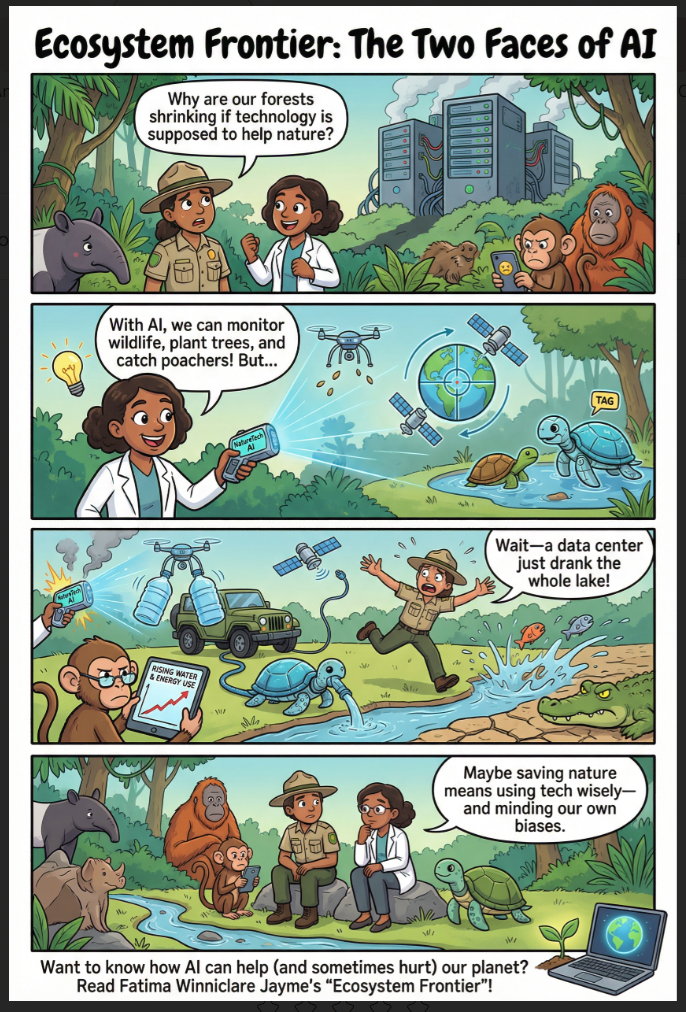
The Ecosystems Frontier is a work-in-progress.
REFERENCES
Calvo, R. A., Peters, D., Vold, K., & Ryan, R. M. (2020). Supporting Human Autonomy in AI Systems: A framework for ethical enquiry. In Philosophical studies series (pp. 31–54). https://doi.org/10.1007/978-3-030-50585-1_2
Carter, D. (2024, February 24). Define motivation – types and theories. Carter Counseling & Coaching Services. https://serenitycreationsonline.com/define_motivation.html
Castro, D. (2026, February 5). Public Sector AI Adoption Index 2026. Center for Data Innovation. https://datainnovation.org/2026/02/public-sector-ai-adoption-index-2026/
Coeckelbergh, M. (2010). You, robot: on the linguistic construction of artificial others. AI & Society, 26(1), 61–69. https://doi.org/10.1007/s00146-010-0289-z
Coeckelbergh, M. (2021). Three responses to anthropomorphism in social robotics: towards a critical, relational, and hermeneutic approach. International Journal of Social Robotics, 14(10), 2049–2061. https://doi.org/10.1007/s12369-021-00770-0
Flavián, C., Ibáñez-Sánchez, S., & Orús, C. (2020). The influence of scent on virtual reality experiences: The role of aroma-content congruence. Journal of Business Research, 123, 289–301. https://doi.org/10.1016/j.jbusres.2020.09.036
Han, S., Kelly, E., Nikou, S., & Svee, E. (2021). Aligning artificial intelligence with human values: reflections from a phenomenological perspective. AI & Society, 37(4), 1383–1395. https://doi.org/10.1007/s00146-021-01247-4
Herrera, F. (2025). Reflections and attentiveness on eXplainable Artificial Intelligence (XAI). The journey ahead from criticisms to human–AI collaboration. Information Fusion, 121, 103133. https://doi.org/10.1016/j.inffus.2025.103133
Kristensen, M., Loesche, F., & Maranan, D. (2017). Navigating cognitive innovation. Avant, VIII(Special), 45–55. https://doi.org/10.26913/80s02017.0111.0005
Patel, R. (2025). From Algorithms to Aesthetics: How AI is redefining creative expression. In Zenodo (CERN European Organization for Nuclear Research). https://doi.org/10.5281/zenodo.15524578
Popova, N. G., Moiseenko, Y. Y., & Beavitt, T. A. (2017). Conformity in modern science: an engine of societal transformation? Changing Societies & Personalities, 1(3), 237–258. https://doi.org/10.15826/csp.2017.1.3.017
Rathore, B. (2017). Virtual Consumerism: An Exploration of E-Commerce in the Metaverse. International Journal of New Media Studies, 04(02), 61–69. https://doi.org/10.58972/eiprmj.v4i2y17.109
When AI Meets Water Scarcity: Data Centers in a Thirsty World | MSCI. (n.d.). Retrieved February 20, 2026, from https://www.msci.com/research-and-insights/blog-post/when-ai-meets-water-scarcity-data-centers-in-a-thirsty-world
Willatt, C., & Flores, L. M. (2021). The Presence of the Body in Digital Education: A phenomenological approach to embodied experience. Studies in Philosophy and Education, 41(1), 21–37. https://doi.org/10.1007/s11217-021-09813-5

 Cleverpens
Leave a comment